
Pastors' Care Initiative (PCI)
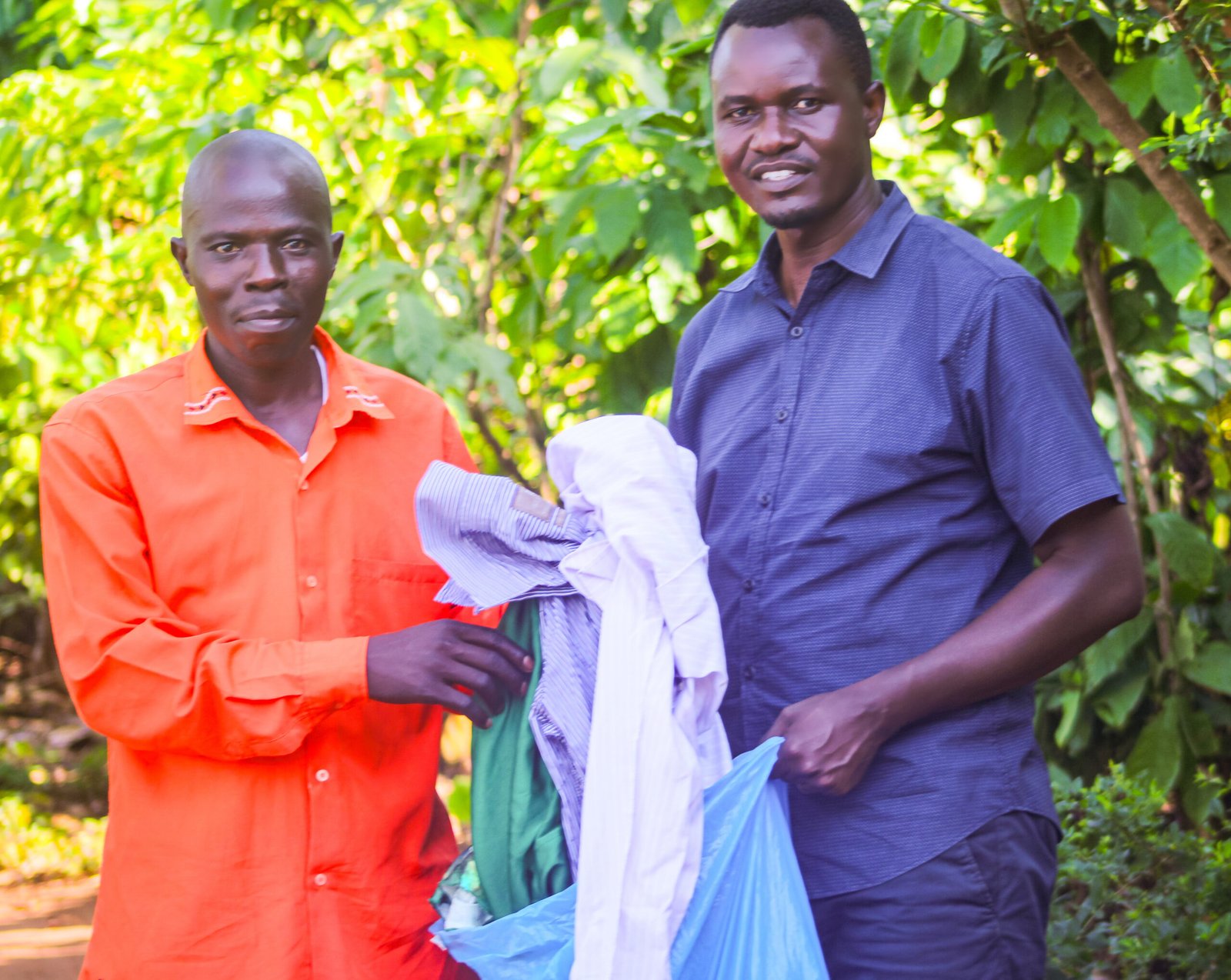
For more than eleven years, our ministry has been actively serving in rural communities across Uganda. During this time, we have conducted congregational seminars, leadership conferences, and ministered in many churches through invitations from local leaders and congregations.
As we traveled and worked alongside servants of God in these remote areas, we became increasingly aware of the many social and economic challenges they face. One concern that deeply touched our hearts was the condition of many pastors and their families, particularly regarding clothing and basic personal needs. It is not uncommon to find a pastor faithfully standing before a congregation to minister God’s Word while owning only one or two shirts and a single pair of trousers that must be washed and reused repeatedly. Some lack proper footwear altogether. In many cases, their wives and children also face similar hardships, sometimes even enduring embarrassment and mockery because of their circumstances.
While we recognize that such experiences can strengthen dependence upon God and build faith in Him, we also believe that the Body of Christ has a responsibility to care for those who labor faithfully in the work of the ministry. This conviction gave birth to the Pastors’ Care Initiative.
Our primary focus is on strengthening and empowering church leaders because we believe that empowered leaders are better equipped to serve, lead, and impact their communities effectively. While we care deeply for the entire church community, we sense a special calling to encourage and support those who have dedicated their lives to shepherding God’s people.
Beginning in Uganda’s rural communities, we remain committed to demonstrating God’s love in practical ways and bringing encouragement to pastors and their families as they faithfully serve His Kingdom.
Through this outreach, we seek to support pastors and their families by providing clothing, shoes, and other practical necessities whenever possible. This support comes through direct purchases, personal donations from our own resources, and contributions gathered from friends, partners, and well-wishers who share our burden for rural ministers.